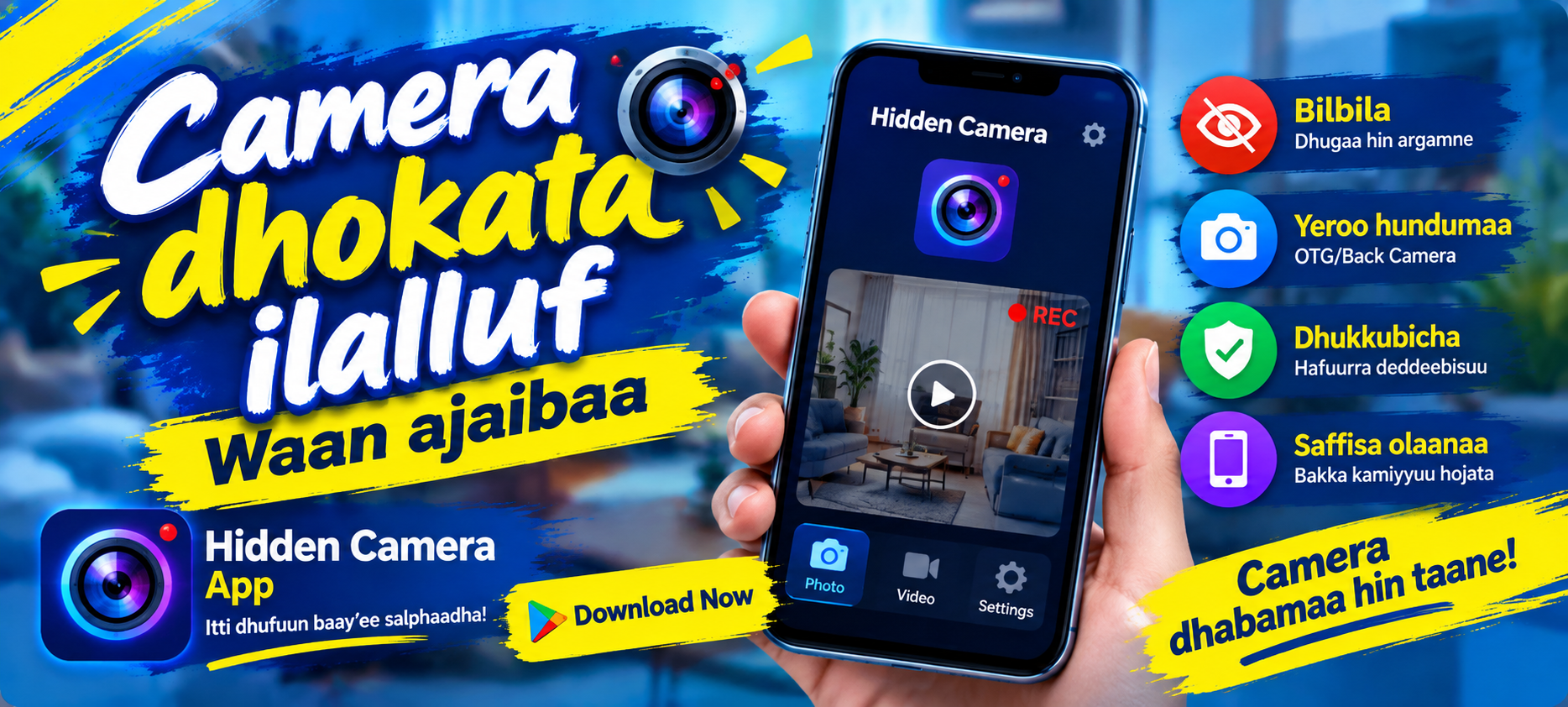
The app, developed by Israel-based QUANTUMTECH LTD (also listed as DOSA Apps), markets itself as a comprehensive security and surveillance tool for Android users . It combines background video recording, intruder detection, and even hidden camera detection into a single package. For anyone concerned about phone security or looking to discreetly record meetings, lectures, or evidence, Third Eye appears to offer a compelling all-in-one solution. The app has clearly found an audience, particularly in India, Pakistan, and the United States, where it ranks as a top tool in its category . But popularity doesn't always equal trustworthiness, and a closer look at Third Eye reveals some significant red flags that potential users need to consider.
Core Features: A Swiss Army Knife of Surveillance
Third Eye positions itself as your "secret security companion," and its feature list is genuinely extensive . The app bundles multiple surveillance and security functions into one interface, making it accessible even to non-technical users.
The standout features include:
- Background Video Recording: The app can record video silently while you use other applications or even when your screen is locked or off . This is the core functionality that attracts most users.
- Intruder Selfie Catcher: When someone enters the wrong PIN, pattern, or password on your lock screen, the front camera automatically snaps their photo . These images are stored locally on your device for later review.
- Silent Recording: No shutter sounds or visual indicators alert anyone that recording is in progress .
- Scheduled Recording: Set specific times for recording to start and stop automatically, useful for capturing meetings or events without manual intervention .
- Infrared Camera Detector: A specialized tool that scans for invisible infrared light emitted by hidden cameras, helping you detect surveillance devices in hotel rooms or private spaces .
- AI Object Detector: Real-time object identification using your phone's camera, adding an unexpected AI-powered dimension to the app's capabilities .
For users who need discreet recording capabilities, these features represent a genuinely powerful toolkit. The app supports adjustable video resolution, bit rate, and frame rate settings, giving users control over quality versus file size .
The Data Safety Contradiction That Should Give You Pause
Here's where things get genuinely concerning. The app's Google Play listing contains a fundamental contradiction in its data safety disclosures that every user should understand.
The developer's written disclaimer states emphatically: "We neither collected nor shared users' personal data. All recorded videos are exclusively saved on your local device. We don't create backups or connect to servers" . On the surface, this sounds like a privacy-focused app that keeps your data entirely under your control.
However, the official Google Play Data Safety section tells a completely different story. It explicitly states that the app may share device IDs or other identifiers with third parties . Furthermore, the data safety section notes that while "no data collected" is the developer's declaration, the app may still share certain data types. This isn't a minor discrepancy—it's a direct contradiction that raises serious questions about what the app is actually doing behind the scenes.
For an app designed for discreet recording and security, this lack of transparency is particularly troubling. If you're using Third Eye to record sensitive meetings, monitor suspicious activity, or capture evidence, you deserve to know with certainty where that data goes. The conflicting statements make it impossible to know for sure.
Understanding the Developer and Their Track Record
QUANTUMTECH LTD, operating under the DOSA Apps brand, has published approximately 21 apps on Google Play . The company is headquartered in Mevasseret Zion, Israel, and has been active in the utility app space for several years .
The developer has established a comprehensive legal framework for the app, including a Privacy Policy, Terms of Service, and even a Copyrights Policy compliant with the Digital Millennium Copyright Act . This level of legal documentation suggests a professional operation rather than a hastily assembled app. The Terms of Service specify that disputes are governed by Israeli law and include a 12-month limitation period for claims .
However, the existence of legal documents doesn't automatically translate to ethical data practices. The contradiction between the app's marketing claims and its official data safety declarations suggests the legal framework may serve more to protect the developer than to inform users. When a privacy policy says one thing and the app store's official data safety section says another, users are left in an impossible position—unable to determine which source to trust.
What Actually Works and What Doesn't
Based on the app's description and user expectations, Third Eye delivers on some promises better than others. The background recording functionality appears to be the most reliable feature, with the app capable of continuing to record even when the screen is off or locked . For students recording lectures, professionals documenting meetings, or anyone needing evidence collection, this capability alone justifies the download for some users.
The Intruder Selfie feature also functions as advertised, capturing images of anyone who attempts to unlock your phone with incorrect credentials . These images are timestamped and stored locally, allowing you to review who tried to access your device and when. For parents monitoring their children's phone usage or individuals concerned about unauthorized access, this provides tangible security value.
However, several limitations are worth noting:
- Battery Drain: Continuous background recording is resource-intensive, and users should expect accelerated battery consumption during extended recording sessions.
- Storage Requirements: High-quality video recording consumes significant storage space quickly, potentially filling up your device's internal memory.
- Privacy Risks for Others: The app's discreet nature means people being recorded may not know they're on camera, raising ethical and legal concerns depending on your jurisdiction and the circumstances.
- Data Safety Ambiguity: As discussed, the contradictory privacy disclosures create uncertainty about data handling.
The Legal and Ethical Minefield of Hidden Recording
Using an app like Third Eye raises significant legal and ethical questions that users must navigate carefully. Recording people without their knowledge or consent is illegal in many jurisdictions, particularly in private settings where individuals have a reasonable expectation of privacy.
The app's own description acknowledges this concern, noting that "the use of such apps may be restricted or prohibited in certain locations or circumstances" and advising users to "check local laws and regulations before using a background video recorder" . This disclaimer is more than just legal boilerplate—it's a genuine warning that using Third Eye inappropriately could expose you to civil liability or even criminal charges.
Ethically, the ability to secretly record conversations, meetings, or individuals without their knowledge places significant power in the user's hands. While there are legitimate uses—documenting harassment, recording threatening behavior, or gathering evidence for legal proceedings—these capabilities can also be weaponized for surveillance, stalking, or violating others' privacy. The app's "secret security companion" branding intentionally obscures this ethical complexity.
Final Verdict: Powerful Features, Troubling Transparency
Third Eye Hidden Camera Record occupies an uncomfortable middle ground in the Android security app space. It offers a genuinely impressive suite of features that deliver real value for specific use cases—background recording, intruder detection, and hidden camera detection are all capabilities that some users will find indispensable.
Who might find this app useful:
- Students or professionals who need to discreetly record lectures or meetings
- Individuals concerned about unauthorized phone access who want photo evidence of intruders
- Travelers who want to check hotel rooms for hidden cameras
- Anyone needing to document incidents or collect evidence in a discreet manner
Who should approach with caution:
- Privacy-conscious users disturbed by contradictory data safety disclosures
- Anyone intending to record others without their knowledge in private settings
- Users who need absolute certainty about where their recorded data is stored
The fundamental problem with Third Eye isn't its feature set—it's the transparency deficit. An app designed for discreet operation should be held to a higher standard of honesty about its own data practices. The contradiction between the developer's "no data collection" claims and Google Play's official data safety disclosures means users cannot know for certain what happens to their information.
If you decide to use Third Eye, do so with clear intentions and a solid understanding of your local laws regarding recording consent. Review the permissions carefully, understand that the privacy claims are contested, and consider whether the convenience of these features outweighs the uncertainty about data handling. For some users, the answer will be yes. For others, the red flags will be too significant to ignore.